
Interested in releasing your song together with a professional artist?
More details on this revolutionary new program are coming soon. Just let us know your email address below and we'll update you shortly.


Impact.
That’s what every songwriter I know (and I know quite a few!) wants to happen with their music.
Sure, songwriters want to get paid. But more than a paycheck, all most songwriters want is for their music to have the best chance of making it out into the world.
But if you’re like many of the songwriters I know, the path to impact (and eventually income) is tricky, to say the least. How can songwriters finally start to see their songs reach people in an industry that seems biased against them?
This question is central to our work at BuyDemoTracks.
We’re obsessed with finding new ways to see our songwriters succeed—whatever success means to you.
So if you’re a songwriter, know that we’re in your corner.
In this article, we’ll first highlight the barriers the music industry has placed around songwriters sharing their songs with the world. Then for each barrier, we’ll quickly transition to the solutions we’re offering. Finally, we’ll wrap up with a practical step-by-step solution you could implement to start making things happen.
Together, we can change how music is shared. We can put songwriters back on the map. We can get your music out there. And, with a little strategy and luck, maybe even start getting you paid.
They say it’s all in who you know. This is true in many industries, but perhaps none as important as the music industry.
Consider the streets of Nashville, where you can find countless artists and writers more skilled than most you know. Why are they broke and/or unemployed?
Because they haven’t made the right connections yet. But making connections is hard! And unless you’re fortunate to know someone on the inside through other means, it’s unlikely you’ll make it by networking your way to the top.
Of course, you can network your way to the top, but it will take longer than you could possibly imagine and still requires a hefty dose of luck.
If you know the right people, your songs can get in front of the right people.
If you don’t, you’ll try in vain for a long time getting someone to care, which you may already have some experience with.
Fortunately, we think there’s a way to overcome this challenge and break this barrier, by leveling the playing field.
The difference between songwriting and most other industries is the open availability for anyone to compete.
For example, I own a web design and marketing business, one of the few in my town. But there’s nothing stopping any number of competitors from cropping up.
We’ll all fight for a position in the marketplace, and “may the best man win.”
But this is not true with songwriting. Publishers (discussed more below), for example, hire staff songwriters. The chances of you getting in front of an artist before an established publishing company are slim to none.
Unless, of course, you have friends (aka, you know people). But then the song pitches happen through back door deals, text messaging, etc. You have no way to compete.
Our Song Library places your song in a public marketplace where artists can find it. You’re competing with other writers on the platform, but at least you’re competing.
Someone has the ability to find exactly the song they’re looking for on our platform, and it could be yours, just as much as anyone else’s!
This relies on us getting more and more artists to use our platform, which takes time. But there’s another way.
We’ll talk more about this below, but what if you didn’t even have to pitch the song. What if there was a way to get the song “out there,” even with an artist who could help make it popular, without ever having to pitch the artist?
That’s possible—but not without a deeper understanding of the next barrier.
Before the Internet, many industries had gatekeepers—people who decided who got to “make it.”
It’s taken a long time, but this has finally trickled down to where gatekeepers rarely exist. Except, of course, in the music industry.
There are some who’ve learned how to overcome them, sort of. Think of the stars you know who got their start on YouTube and TikTok. The problem is, many of these stars have been scooped up by the gatekeepers, and once that happens, they are now officially part of that “old” world.
With a lot of hard work and luck, they were able to get discovered without the gatekeepers. But since they’re discovered by the gatekeepers, they get to dictate the rules going forward. Still not ideal.
So, who are the gatekeepers? I’ll tell you, but stand ready for a HUGE caveat: The gatekeepers are publishing companies and record labels.
Now—both publishing companies and record labels are our friends. I mean literally we have many friends who work in both of these, and also, our company is able to work alongside these companies to produce great songs.
Again, let me stress: We should NOT think of these “gatekeepers” as enemies. They aren’t the “the bad guys.” They play an important role, which is largely to ensure that quality is maintained in all professional music endeavors.
What we bring to the table is simply the consideration that there is a path for someone that still maintains the quality and doesn’t require going through the gatekeepers.
Hope that was clear. We love publishing companies (heck, we have one) and record labels. They do great work.
The fact remains that being aligned with them requires a considerable investment of time and energy, and there’s no guarantee it will ever pan out.
There are no guarantees in our solution, either, but it’s a path with less resistance for sure.
In order for songwriters to get their songs out there, they need to start thinking in terms of new possibilities. If you’re going to circumvent the gatekeepers, you need to know the options that are available.
One option is to take a social media influencer route. On our platform, influencers can request a “Test Drive” of your song. They can use about 90 seconds of the song on one of their videos to gauge their audience’s response.
If they like it, they could pick the song up.
Here are the facts: The social media influencers are the next A-list artists, and you’ll have a far easier time reaching out to them than you will even C-list artists who’ve seen some professional success.
One drawback to that plan is that many of these influencers are singer-songwriters. In other words, part of what they are sharing is their songs. This isn’t always the case, it’s just something to be mindful of. And remember—these are not gatekeepers. They are more like “vehicles” to help make your dream a reality. You have the song, they have the voice and the influence/reach.
But there’s another way. It’s called a Featured Artist Release. It’s our unique contribution to the music industry, where we help you—as the songwriter—become an artist.
Here’s what it looks like:
Now, could you do this on your own? Below, we’ll answer that question in more detail. For now, let me say this: You can, kind of, but it’s hard.
Our close friend and collaborator, Rick Lang, was the innovator behind this idea. He is now Grammy-nominated and has a record deal—as a songwriter.
But this success came after 30+ years of networking his way to the top as a bluegrass songwriter. And it still requires a professional demo to be made and the connections with a vocalist who is a professional artist.
So there’s a way to do this on your own, sure, but we can dramatically shortcut the process for you. (No Grammy guarantees, of course :D)
On to our next barrier.
The final big barrier we’ve observed is long-standing traditions in the music industry that hurt more than help.
Stuff that’s “just always been that way” and “will never change” that are ingrained habits of the players in the industry.
The most insidious of these is the “song hold.”
If we were to describe the “song hold” process without euphemism, it would be “the process where your only impact- and income-producing asset is strategically frozen for an indeterminate amount of time, at the sole whims of artists and gatekeepers.”
Sounds bad? It is. Consider a tale told by our friend and staff writer, Jim Grubbs:
I not-so-recently experienced the thrill of having a song “put on hold” by an artist. I had labored hard over the lyrics and melody to tell a special and meaningful story. I created a “scratch” recording of the song and a chart to communicate the chord progression. I sent these items to BDT, where an incredible demo was created (Hey, I could play that demo on the radio! It was that good). I paid a few hundred dollars for the demo, organized the lyrics and chart, and pitched the song to two dozen suitable artists with whom I had previously established working relationships. One of those artists (let’s call him Bob) asked for the right to record my song on a solo project; Bob had already released other singles from this project. I was elated to have my song “put on hold”! It has now been 18 months since Bob reserved my song. Due to changes in his career, Bob has yet to make further progress on his solo project. I don’t know if Bob will ever get back to his project; when he last answered my call, he said he still wants to record my original song but can’t tell me when.
Jim discloses in the article that this scenario is fictional, but I would prefer to use the word “archetypal.” This is exactly what happens, day in and day out. I’ve heard the stories over and over.
What this means: Even if you “make it”—that is, network your way into working relationships with established artists—traditions looming in the industry can and will prevent your song from being shared.
There are other traditions, too, such as artists traditionally being paid for the music instead of their brand. The existence of this tradition is so prevalent that—in 2024!—artists are still being encouraged by their record labels to tell their fans to buy CDs.
TO BUY CDs!!!
Can you imagine? Most people I know don’t even own a CD player anymore, and they stopped putting them in cars and computers a long time ago.
This is yet another tradition that keeps the industry stuck.
Artists and songwriters both rightly have gripes with the current state of the music industry. Frankly, it’s hard for anyone to get paid for the music! There’s only so much money to go around.
We think the solution is so crazy, and so common sense, that it just might work:
Artists should be paid for performing songs and building a brand, and songwriters should be paid for writing songs!
After all, that’s what each individual contributor gives to the listener in terms of value delivered.
The songwriter delivers their value in writing the song. The artist delivers their value in performing the song.
This is the beauty of our plan to turn songwriters into artists. The industry is unfairly-biased against songwriters being paid for their work, as I shared in the example of the song hold above. (Shouldn’t an artist pay the writer for the song when they want to record it? That’s how other industries work.)
Since this is the case, we think a quicker path for songwriters is to create opportunities to get paid for what artists get paid for—such as building a brand. (Since the artists get paid for the song, which was written by the writer!) Currently, though, songwriters don’t have a great way to build a brand of their own.
However, through direct association with pro artists, new revenue opportunities, branding and marketing help, and more, we can provide more opportunities than ever for songwriters.
Imagine, as a songwriter, having the ability to own a track that gets played on the radio with a professional vocalist, which means:
Think of your favorite fiction (or even non-fiction) author. They’re the writer and the performer, and because of that, they have massive opportunities open to them.
This is true even if they have a ghostwriter—i.e., someone who assists in putting words on paper using the actual author’s ideas.
While not the same, the advantages are similar. You would have a path for sharing your songs and getting paid for them as the owner of the work. This is a game-changer for songwriters.
Near the top of this article, I promised you a practical plan to start sharing your music with the world.
Much of this can (and should) be done on your own, but for some of it, you may need some help. Here’s what the process looks like:
At the very least, you will need to work with a demo company like ours to have a professional, radio-ready demo created.
Without this, you can continue to the other steps, but your chances of getting ahead reduce dramatically. This is not a fault of the industry, it’s more a quality control thing.
You want the best demo possible—one that you’d be good with pitching to any artist—and it should be so good that you could hear it commercially on the radio.
What we offer here at BDT that will be difficult to find at most studios is already-established professional relationships with brand name, A-list vocalists who will sing on your song and be willing to release the rights for radio and digital distribution.
These established relationships give us a head start. With 20–30 years of experience and relationship-building, you may have plenty of people willing to do you a favor and sing on your song.
But if that’s not your case, you can tap into our 20–30 years of relationship-building instead 🙂 Yes, it costs money, but money is renewable, and time is impossible to get back. We can save you a lot of it.
Once you have a song, the next step is to get it “out there.” This requires a few steps, though, which we think of as Preparing, Publishing, and Promoting.
First, the song will need to be prepared. You will need to iron out the song details, make sure things are copyrighted, and ensure you have the ownership and release rights all ready to go. If you release a song without the demo singer’s permission, you are going to run into legal trouble. Don’t do it.
Then, you need to place the song into a publishing company. You can start your own, if you’d like, but it will need to be taken care of. Streaming companies are responsible for making sure songs on their platform are legal and that the appropriate people get paid for their work.
You will also need to obtain an ISRC code for the song that will be needed in various steps of the process, register as the rights’ holder on SoundExchange, and make sure all required paperwork is filled out.
Once all this is taken care, you can create an account on a platform like CD Baby or DistroKid to proceed with sending the songs to streaming platforms.
Again—I don’t want you to think this is impossible to do on your own. It totally is! But it’s a lot of detail work that we take care of for you entirely. (Talk about an easy button!)
The next step in the process is getting the song out to the radio. This requires, at minimum, creating an account on AirPlay Direct and using their system to send a digital press kit to the stations.
Before doing this, you will need to ascertain the email addresses of your target market’s radio stations. You will use this information to populate the AirPlay Direct system, as they do not provide the email addresses on the platform itself.
At this stage, there is certainly no guarantee that you will get radio play. However, one way to make sure the song has the best chance possible is by having done the “Featured Artist Release.”
This will make sure the radio station sees the Feature Artist’s brand on the project and will make it more likely to get played. With zero brand credibility, quite frankly, it is extremely unlikely your song will get played.
The idea is to use the other artist’s name to build up your own brand, to where eventually, DJs see your brand as one that produces quality music worthy of airplay, regardless of who is singing.
Even still, the next part requires a lot of elbow grease. We know a lot of A- and B+ artists who spend hours per week building relationships and calling radio stations.
They request that the DJs play their songs and aim to share a little about them as an artist. You will be no exception to the rule.
At present, this additional promotion is not a service that we offer at BDT. However, we do give you access to the database of radio stations that we send your song to so that you can do this promo activity.
Yes, it is possible to hire other companies to do this for you as well, which can work. However, we think this always works the best coming from the owner of the song, since you have a more personal connection to it.
We highly recommend you don’t skip this step if you want your song to get radio play.
This is another “elbow grease” step that will require your participation. And it matters—a lot.
In today’s world, if you’re going to avoid the cliques, get around the gatekeepers, smash the traditions, and get your songs out there, you will need to act like a business/brand and utilize social media to get the word out about your songs.
There’s a lot you can do without a professional demo, but once you have it, it’s like a “cheat code.”
People automatically realize that you’re not only serious about your music, but for the first time ever, they’ll be able to truly hear how amazing it is!
One of the comments we receive a lot is that even our songwriters didn’t realize the potential of their song until after we turned it into an incredible, radio-ready demo. You can absolutely have the same experience and will love sharing your song with the world in this way.
But you have to do the work. Are you willing?
I know it seems like an uphill battle, but there is hope! I trust you found this article a useful resource with a reasonable path to finally getting your songs out there.
With the right people in your corner and a little elbow grease, we believe a new day is dawning for songwriters.
We would love to partner with you in that effort. To get the process started, just fill out our Request a Demo form, and we’ll get back in touch with the next steps.
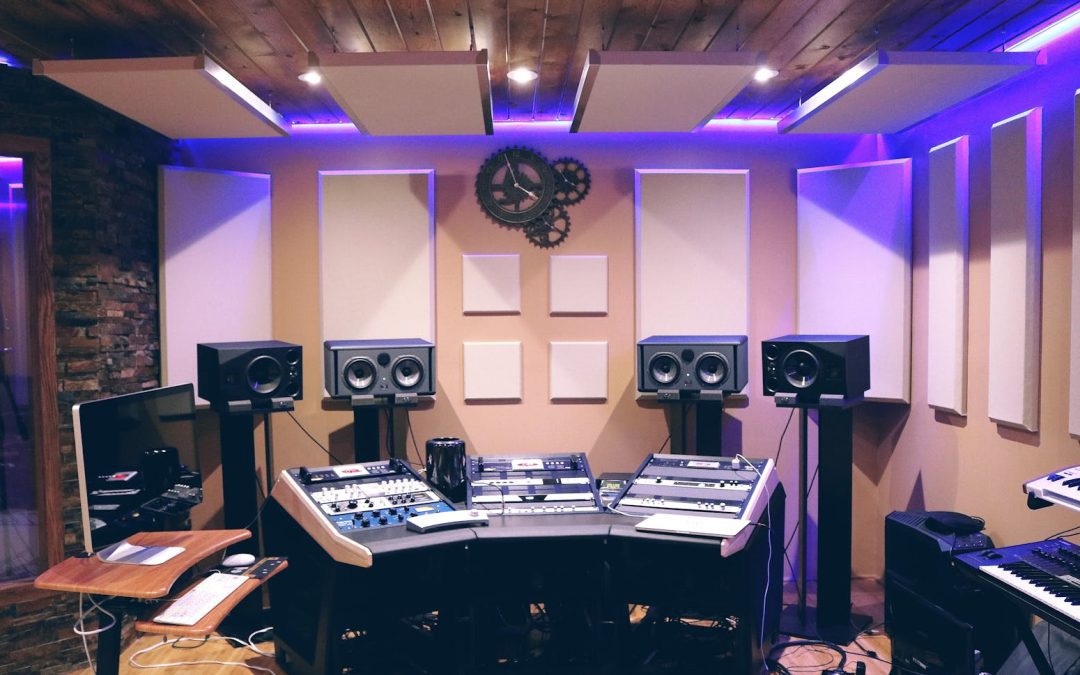
If you sing gospel music, whether professionally or casually, you know one of the most difficult things to do is find great new, original music for your next album or single.
Unless you’re a songwriter yourself, you are at the mercy of the connections you’ve made, the label you work with, or sheer happenstance. But what if there was a different way?
What if there was a way to find new, original music, that didn’t sound like every other cut and was exactly the right song for you?
Suppose you’re a well-known gospel recording artist, traveling each weekend to play at churches and events. You interact with hundreds, maybe thousands of people. Many of these people are songwriters and would love nothing more than to pitch one of their songs to you.
On any given weekend, you probably talk to 5-10 of these people (if not way more), most of whom hand you a CD of a song they’ve written in hopes you’d listen and eventually sing it.
As you only have so much time, and frankly, so much patience to listen to everyone’s new song idea, you eventually give in. You don’t have the time or energy to listen to these songs. So, the CDs accumulate on the dashboard of the bus.
Every few months, you throw away another giant batch of CDs.
One of them might have been your next big hit. But you’ll never know, because you didn’t have time to listen.
Now suppose you’re a casual artist, playing the occasional church function or special service. You don’t consider yourself a very good songwriter, so you mostly cover well-known songs and knowingly sprinkle in a few mediocre originals to give you some chance of standing out.
You’d love the opportunity to work with a songwriter known for producing great songs, but either they have their own circle of friends who get dibs on the best songs or they work for a publishing company with the rights to all their music, such that only certain artists are even entertained as a candidate to record the song.
You begin the long process of networking your way into a relationship with writers, but this takes years, and sometimes never works at all.
These are two very different scenarios with ultimately the same core problem: There’s nowhere to find a collection of great, original songs available for you to record.
As the founders of BuyDemoTracks.com, Jared Easter and I set out to solve an entirely different problem around three years ago. As a successful demo studio owner, Jared kept encountering two common issues:
First, Jared produces radio-ready demos. That means his demos are produced with professional quality and a ton of thought goes into each one. But once a song is picked up by an artist, it’s almost inevitably going to be re-recorded for that artist’s particular style and taste.
This means there is a professionally produced demo asset (which is expensive for the songwriter to produce!) collecting dust.
Second, while Jared works with many professional songwriters, he also works with many still rising the ranks. He’d often get the question: “Ok, so what’s next? How do we get this song in the hands of the right people?”
Out of these two questions, BuyDemoTracks.com was born.
The idea?
Give gospel music demos a “home on the Internet” where songwriters could potentially recoup some of their investment by providing paid access to their soundtracks, and a way to send people to a library of their songs.
It wasn’t long into the development of this idea that we realized what we were actually sitting on: A filterable library of incredible songs from both successful and up-and-coming songwriters. That’s when the lightbulb went off.
We’ve worked hard to make our song library one-of-a-kind. As I write this, there is nowhere else on the Internet to find a collection of unrecorded new gospel music.
But not only that, you can find exactly the song you need. Want a fast song, in the Key of B, about trucks or trains? You can find that on our site. Want a holiday-themed song that’s a little slower-paced, in a key fit for a male vocalist? It’s in our library.
The tools are there. All we need is more artists using our platform to find new songs, and more songwriters using our platform to showcase their demos.
We call this process a “song funnel.” The idea comes from the “sales funnel” in the marketing world. Once you start the process, you can funnel/filter down to exactly the song you want or need.
This may seem small, but actually, there are a few significant ways this could have long-term effects on the music industry:
What’s missing from the music industry—at least the writing side of it—is competition. It’s not really “may the best song win” right now. It’s, “may the most well-connected person win.”
This is not always bad, and to be sure, this usually results in fantastic songwriters having a chance at their songs getting cut after years (sometimes decades) of hard work and a few lucky breaks.
But it’s hard to break in since everything happens behind on closed doors and in text messages between friends.
Even those relationships don’t guarantee success or that you’ll get a song cut, though, because sometimes an artist will put a song on “hold” for months at a time. This simply isn’t fair to the writer, who is being asked (with zero compensation) to hold the only asset he has in terms of making a living—his songs!
A marketplace like ours introduces competition and allows everyone to play on the same level. For the song to win, it must simply be the best option on the platform at the time someone is looking for it.
One big problem in the music industry right now is milquetoast songs. Record labels mostly control what music goes out, and often this is based on listener data from what people tend to respond to.
This sounds fine until you come to grips with the fact that this means most new music ends up sounding the same. Originality is lost.
With a diverse array of perspectives welcome, our platform allows for all kinds of new music to see the limelight and hopefully make it to the listener.
Thanks to the introduction of competition, there is now a path—an answer to the question, “Ok, my demo’s done, now what?”
There’s a light at the end of that tunnel.
Once a songwriter has a demo produced, it can be uploaded to our platform. From there, it can be ranked on our HeartChart, shared with colleagues and potential artists, and more. It’s like having a personal business card/resume on the Internet with your professionally produced music available to listen to.
Then, what if their song is picked up and becomes popular? Well, BuyDemoTracks.com makes it easy to sell your demo as a soundtrack for those wanting to sing it in church or record it on an album of their own. The songwriter is compensated for those earnings through our site.
Finally, it solves the problems that have plagued artists for years, many of which we’ve already mentioned.
It allows your music to get better, it allows you to find new songs without having to wade through piles of CDs, and it gives you a place to refer those songwriters who want to hand you their CDs every weekend.
Simply tell them that you have partnered with BuyDemoTracks.com as your trusted resource to find new, original music. And you’ll know that if the song has made it through our process of working with the writer to create the best song and demo possible, it’s worthy of a listen.
This one simple platform can fix so much of what is currently wrong with the music industry. We’re proud to have developed it and excited to see how you use it to further your career in music.
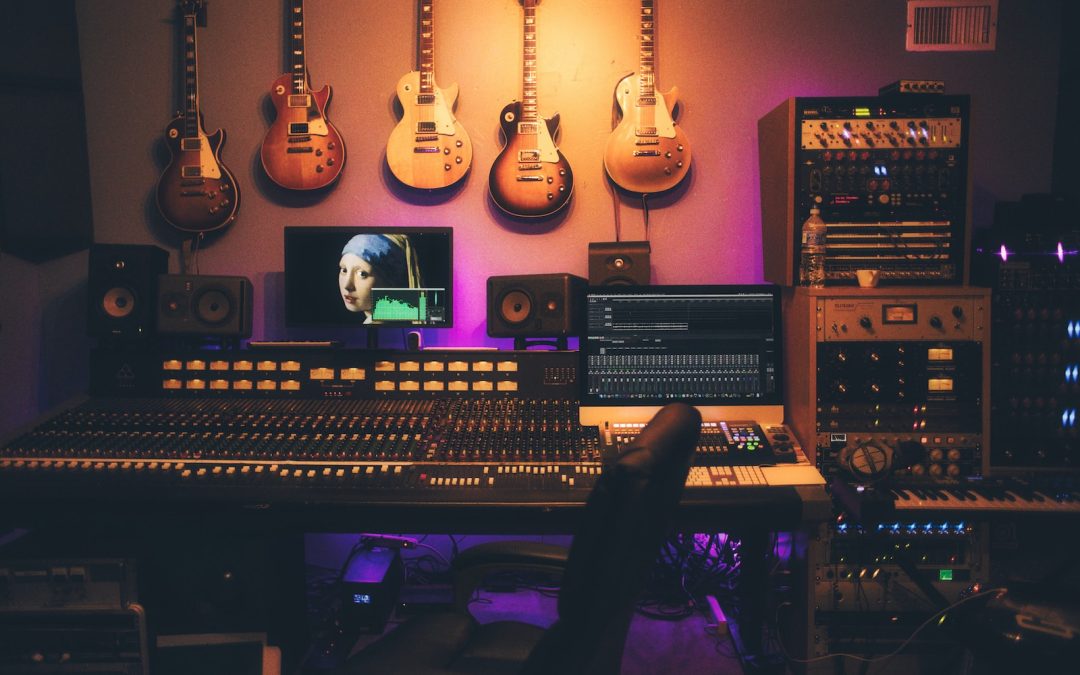
We have a saying at BuyDemoTracks.com: “It All Starts with a Great Demo.”
It may sound a bit trite to say since we are in the demo business, of course.
But in our professional experience, it’s exactly right.
The harsh reality is that most songwriters don’t have a chance of getting their music heard without a demo. And yes, that will mean some upfront costs that may even take time to recover.
The cool thing is, though, that once you have a demo, you have options.
For example, you could consider a Featured Artist Release and getting the song out there without waiting for some “big break” that may never actually come.
So you need a demo, whether your goal is just to get the song out there under your own name or to have it picked up by a professional artist.
The question is, how does a song make it from the notebook to the studio, and even beyond?
There are a few steps in the process which we’ll now discuss.
And of course, if you need help along the way, please feel free to reach out to us! Songfuel subscribers get half off our listed demo prices and many additional benefits to boot.
The first thing you must do is write a first draft of your song with solid, complete ideas.
Ideally, at this point, the song would also have a degree of catchiness and originality to it that fills a gap in the market where your music is.
There is a “business” side to music after all. Listeners are ultimately consumers. And consumers will give songs and artists a chance to impress them, but you have to put your best foot forward every step of the way.
This is where it might be beneficial to bring a cowriter on board with your song.
Even if you end up writing most of the song on your own, it can still be wildly beneficial to get a cowriter in with a unique perspective to critique the song.
Ideally, as you’re building relationships, you want to find a cowriter who is “just a few steps ahead” in the journey.
This is important, so let me expand.
The “business” side of songwriting is really about relationships. And many writers express frustration that the people they need to connect with will not listen to them. In my opinion, this is because they are trying to jump from a lower rung of the ladder to a higher one, instead of simply climbing the ladder.
You climb a ladder by reaching up to the rung just ahead of you. If you’re feeling a little froggy and have longer legs, you could probably reach a couple of rungs up, but no more.
That’s how true networking works.
You find people to work with and cowrite with who are just ahead of you in the journey. They will help your songs improve.
And, if they’re following the same philosophy, they provide a bridge to that next connection. If they’re cowriting with someone just ahead of them, that means you have a direct connection to someone two steps ahead of you! (And that person likely has the same thing.)
Suffice it to say, connecting with cowriters is one of the very best ways to take your songwriting career to the next level—both in the “music” and the “business” side of things.
You should follow this step whether or not you have cowriters, but arguably if you don’t have cowriters, this step is absolutely mandatory.
A professional critique of your song is something many studios do not offer; we do. So what does it look like?
Essentially, our Songfuel subscribers will send songs in that they’re working on. We will take a look at them (without taking credit for being a cowriter) and suggest improvements that need to be made.
In fact, sometimes we will deny a demo because the song itself is not ready. This is a good thing because it keeps everyone’s expectations in check. We want to help you make the best song possible.
If a song is very close, as part of the production process, we will actually suggest and/or make (with your approval) slight changes to the lyrical structure of the song to make it the best it can be.
There are many great studios out there run by professional musicians and writers who would be able to provide this service, but some studios stay on the technical side of things and don’t offer these services.
Whether you use BuyDemoTracks.com or not, be sure to ask whether professional critique is included as part of the demo package you’re paying for.
Once the song is past professional critique and lyrical production, it’s ready to apply the music.
This is where the studio team really shines and does their best work.
A great studio will put in the time to take the worktape and lyric sheets you’ve provided and make the best, most accurate representation possible.
There are different philosophies, though.
For example, some studios are not interested in improving the demo quality and/or originality. This is not a “bad thing” in the sense that it should dissuade you from working with such a studio.
However, you should know that some studios, like ours, intentionally produce the music so that it is radio quality and has an original feel.
This is precisely because we think songwriters “becoming” artists is the way of the future, and since it “all starts with a demo,” it must start with a great demo!
This is where we move beyond the studio and attempt to get the song really heard.
These days, the promotional plan is around both the song itself and the brand the song is being used to build.
What most in the music industry don’t grasp is that everything is about brand power. Artists are ultimately successful because they are building a brand for a particular sound and style that people identify with.
The thing is, as we’ve discussed here, we actually believe this opportunity is open to songwriters as well! Yes, songwriters can promote their own music and even work with professional artists on their demos to get their songs out there, without waiting around for the song to be picked up.
We believe God rewards action-takers. People who wake up every day with a drive to succeed and who do something about it. That, in our estimation, is the big problem facing songwriters today.
In the Internet age, this promotion is something you can get started with on your own! You could use social media clips to share your songs, etc. But if you’re not a vocalist, you will need to consider working with a professional vocalist (and preferably one with a brand name of their own).
The best way to get started is to sign up for Songfuel.
As part of the onboarding process, we’ll have a Brand Vision Call to help you get a sense of what is possible with your music and a direction for the future.
All you really have to know how to do is write a great song, and we’ll guide you through the rest of the process.
We look forward to working with you and helping to get your music out into the world in creative new ways!
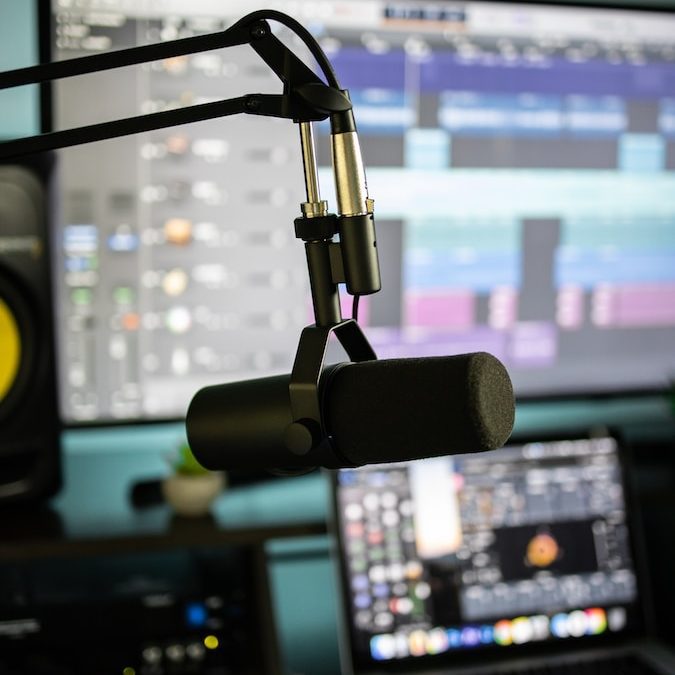
Every so often, a seismic shift happens in the music industry that turns everything on its head.
The last time this truly happened was with the introduction of streaming services. This was poised to be a great alternative to the reality of illegal websites like Napster and Limewire, which allowed people to download music from their favorite artists completely for free.
It was not long before streaming giants like Spotify and Apple Music would take over the music scene.
Now, these platforms are the primary way people interact with music. But there’s a big problem that has yet to be resolved: It is nearly impossible for an artist or songwriter to be paid for their music based on streams.
There are “too many hands in the pie,” and pardon my pun, but the pie was already half-baked.
What is needed is a new seismic shift—one that recognizes the importance of the songwriter in the process and honors their commitment and continued investment into their craft.
Artists are very upset that there is little money to be made from music streaming royalties. And rightfully so.
However, what many artists don’t realize is that, for as small as their cut seems, they have the power to make money in many ways that songwriters don’t.
It all comes down to brand.
While songwriters are traditionally behind the scenes, artists are front and center. They have merch sales, event ticket sales, and a public persona that allows them to create alternative income streams to supplement the music.
Record labels already know of and harness this power. Frankly, it is this brand power which constitutes their existence in the first place.
Record labels are themselves a “brand” force that allows them to promote the work of artists as a collective and establish a sound reputation. A rising tide that raises all ships.
Some artists have decided to go independent, realizing that with a little bit of elbow grease (particularly using social media), they could do much of that branding work on their own without involving a record label.
And while we are passionate about artists and seeing them become successful as well, we believe the real heroes are the songwriters.
They are literally unsung heroes. They have limited revenue sources, have an even harder time breaking through than most artists, and many times have to front the expenses for their songs.
For example, many songwriters can’t get artists or publishers to consider their songs without a high-quality demo that they have invested in themselves, often for hundreds or thousands of dollars.
If they are fortunate enough to find someone willing to listen, their songs often get put on hold (sometimes for an unreasonably long period of time). The song is the songwriter’s only financial asset, and it may be months or years (if ever) that it sees the light of day.
And that’s after interest has been expressed in it.
The above reasons and many more are why the music industry needs another shakeup. The time is now, and it starts right here with something we call a “Featured Artist Release.”
From day one, BuyDemoTracks.com’s mission has been creating new revenue streams for songwriters.
Our original vision was to have a place where fantastic demo cuts could be sold to the public and placed on display so that artists looking for new material would have one place to find it.
However, our vision has shifted due to the reality of the music industry. To be clear—we still believe in our original vision. In fact, we believe it will still come to pass. But not the way we had originally thought.
What we realized was this: As long as we’re telling songwriters their only chance to see success in music is for an A-list artist to pick up their song, and that BuyDemoTracks.com can be the vehicle for that, we’re ultimately selling hopes and dreams.
We can’t make people use our website. And if you’re an undiscovered songwriter, people are not looking for your music. To make matters worse, most artists already have plenty of songs being thrown at them.
Even if BuyDemoTracks.com provides a better experience for finding songs—which it does—artists must still be convinced that this is the place to find them. Hopes and dreams. But little else.
So instead of this “hope and pray” method that someone would fly in from the other side of this giant mountain, swoop down to pick us up, and carry us over to the other side… we decided to go around the mountain.
An unconventional path struck us: What if we could turn the songwriter into an artist?
Available exclusively to our Songfuel subscribers, the Featured Artist Release is a powerful tool that allows us to put songwriters back in control.
There are a lot of moving parts that we walk our clients through, but here’s the essence of the process:
There is an additional cost investment to getting started with this. However, we crafted a unique strategy that allows you to recoup and possibly exceed your investment (almost guaranteed) within just one year’s time… with just one of the revenue streams above.
The rest sit atop that revenue stream and only grow as your songs grow in popularity.
Before, songwriters were entitled to only mechanical licenses and radio play royalties meted out through BMI and ASCAP. And sadly, there is not much money to be made through those avenues for most songwriters.
Our unique process changes the game entirely and gives control back to the songwriter.
You might be wondering what this means for artists. After all, if songwriters become artists, aren’t we cutting them out of the process?
No—not at all! In fact, this could be one of the best things to come along to not only bring artists more opportunities for income but also increase the quality and caliber of the music that actually gets played on the radio.
Here’s how.
As I already mentioned, artists—despite having additional revenue channels to tap into as well—are feeling the effects of diminished income due to the popularity of streaming services.
Many artists were able to make a good living selling physical CDs at their product tables. Those days are all but long gone. Occasionally, you will find that die-hard supporters still purchase those CDs to support their favorite artists, but those are few and far between.
One of the “dirty little secrets” of the music industry is that artists work for hire quite a bit when they are not traveling, recording demos for studios. We have quite a few such vocalists who lend us their talents.
The more songwriters opt for a Featured Artist Release, the more we get to put artists to work and pay them for using their vocal talent. But it doesn’t stop there.
Our artists are able to make additional income when negotiating for their release rights on any individual song. As the featured artist on the track, they are also able to collect radio play monies due to them through SoundExchange.
This makes it a win-win all around! But there’s still more.
Because there is no middle-man commercialization going on (songs getting trashed because the label doesn’t think it is marketable, etc), the quality of music goes up, gets better, and becomes more innovative. New sounds start to take shape.
Plus, because of the power of brand, our songwriters will have name association with our vocalists, they will make a name for themselves as a songwriter, which will lead to more artists wanting to hear their songs, which will lead to more demos being recorded, more work for the artist, and the flywheel keeps on spinning.
This is the revolution the music industry needs.
We’re excited to be at the forefront of giving songwriters the power to write better music than ever and get it out there in a way that was never possible before.
If you’d like to consider this route, start by becoming a Songfuel subscriber today.
Shortly after subscribing, you’ll receive an invitation to schedule a Brand Vision call where we’ll help you see the possibilities in building your own brand as a songwriter and taking advantage of the Featured Artist Release.
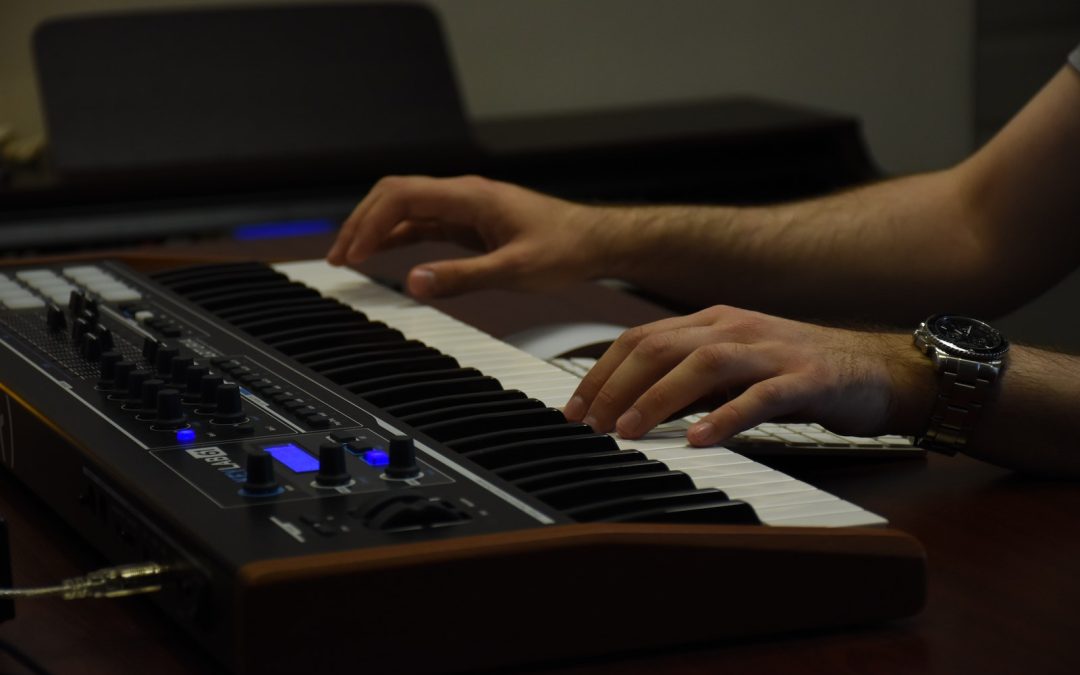
A song demo can be one of the most powerful tools in the songwriter’s arsenal.
Of course, a song demo can also be an enormous waste of money!
Knowing what a demo is and when it is best to invest in one will save you time, money, and frustration.
In this blog post, we’re going to define what a demo is, help you understand whether or not you need one, and what you should be looking for if you decide that you do.
A song demo is a professionally recorded track that, if done properly, will bring your vision for the song to life so that interested parties hear what you intended for it to sound like.
When it comes to demos, there are a few different schools of thought.
One says that you don’t really need a demo at all. After all, most artists will want to make your song their own anyway, so why would they want to hear someone else’s idea of what it sounds like?
This thinking makes sense — however, it’s not practical unless you are already a well-connected songwriter.
If you have close friends in the industry, have built trust and a reputation already, or for some other reason don’t need to “break into” the market, then perhaps you don’t need a demo.
If you’re in any other situation, you should strongly consider it.
Another school of thought says your demo should be free from interpretation and focus on highlighting the lyrics. This, too, makes logical sense and some of our clients request this specifically.
There are drawbacks to this, though. Even though a clean, simple demo is better than having no demo at all, without an established reputation, it might still be hard to get people excited about your song if the demo is “all business” and free from color.
When I say that, keep in mind I intend no offense to your abilities as a songwriter. The fact is, you are a songwriter. There are professionals whose primary skill is to take what you have done and produce it into something magical.
That’s where the final school of thought comes in — that your demo should be well-produced and precision-crafted to sound like a full studio cut. In full disclosure, this is our view and the way we prefer to work with clients.
Why? For a few reasons:
The simple reality is that a high-quality demo cut — one that sounds like something you’d hear on the radio — is the best opportunity songwriters have to get noticed and establish a reputation for themselves.
You probably know the answer to this question already (at least you might have a gut feeling about it), but let me give you a few simple guidelines to go by.
First of all, you probably know whether or not you have the musical and technical ability to record a demo track at the level of quality we’ve discussed so far.
If you don’t, then no, you should not record your own song demo. You will be amazed at what a professional demo could do for your song(s).
Let’s say that you do have the musical and technical ability to record your own demo.
In this case, you absolutely could. However, there are a couple of reasons you might not want to do this.
First, you know as well as I do that an outside perspective/interpretation could be helpful. I learn new things every day by being humble enough to let others inform my thinking.
In music, even a very slight change can take a song from mediocre to incredible. You are likely “too close” to the song to make that decision, and having another set of ears on the production might make a big difference.
Another consideration is the people you work with. For example, by the very nature of our work and our business, there are respected industry professionals who will listen to demos we’ve cut just because we’ve cut them.
That is not something we say to gloat, but it is also something we do not take likely. We’re not the only ones in that position, either.
The point is — even if you’ve got the skills, it may still be a wise decision to allow someone else to record your demo. We recommend you send us a worktape and we can evaluate the song from there to see what it needs.
If you’ve reached this part in the article, then perhaps you are considering working with a company like BuyDemoTracks.com to record a professional demo for you.
That’s great! But to be honest, what we want for you is simply to make the most informed decision. Yes, of course, we’re a little biased and we’re proud of the work we do.
But regardless of whether you ultimately choose to work with us, here are some things you should demand and expect from any quality demo studio.
The cardinal sin of most client services businesses is a lack of communication. We don’t always get it right, and sometimes we have a backlog of projects that puts us a few weeks behind.
What you should expect, though, is clear communication on timelines. You should never have to wonder about the status of your demo. You should always be able to reach out and get an answer from us within 48 business hours.
We know that a lack of communication is confusing and frustrating for you, so we put processes in place to minimize that as much as possible.
There is no doubt you can get a great song demo cut by thousands of studios across the world. But “great” is something altogether different than exceptional.
Exceptional requires attention to detail and a production value that is almost unbelievable, especially for the financial investment. Our goal is to provide the very best outcome in a demo for you as possible.
One way we achieve this is by radical attention to even the smallest details. Yes, we are perfectionists, but we’re not “recovering” perfectionists. We think this is the way it should be in order for your goals to be met.
Speaking of your goals — a great demo production studio will be “you-focused.” Now I want to make a careful distinction: This does not mean your producers and musicians should be “yes men” who go along with whatever you say.
If that is what you are looking for, you’ve probably not made it this far in the article, because we think that songwriters should write songs and producers should produce songs.
A focus on your best interests will make sure the song has what it needs, you are a satisfied customer, and your expectations are in line with reality. That brings us to the next item:
Sadly, the music business writ large is full of snake oil salesmen. Not only do they not have your best interests at heart, they only have their own interests at heart.
This is most evident when you find someone selling you on hopes and dreams. We think studios should invite you to work with them on the basis of what they can do for your songs.
We can’t promise song cuts. Or even song pitches! What we can do is take a good song and make a fantastic demo, that makes the combination into something exceptional that is worthy of airtime.
However, just because you should work with a studio that promotes and discusses realistic expectations does not mean you should work with a studio that has no interest in your success as a writer.
We have a vested interest in giving you the tools, resources, and connections to be a successful songwriter. That is why we offer tools like our Song Library and services like our Songwriter Singles.
These services are admittedly unique to BuyDemoTracks.com, but we think they are a huge part of working with a studio that not only wants to see you be successful but is doing something to help make it happen for you.
It’s impossible to give numbers, but the simple answer to the question is, YES! It definitely increases your chances.
Again — by how much is anyone’s guess. But considering that your chances are virtually zero without one (again, realistic expectations), we think planning a song demo for any song you’d like to see do well is a very good idea.
That said — we would like to challenge the idea that the goal is to get a professional cut, if by “professional” we mean an A-list (or even B-plus-list) artist cutting the song.
We’re big fans of doing what we can control. Believe it or not, there is a lot that is within your control. Sure, it takes time and money, but don’t most things?
It all starts with an exceptional demo.
Once you have that, the sky is the limit. We could upload it to Spotify, Apple Music, YouTube Music, etc., promote it on the radio, have a professional musician sing on the track for a fee, etc.
Contact us today to learn more about some of the innovative ways we’re helping songwriters get their music out there.
The answer to this question depends on what your goals are.
But in truth, even if your goals are so modest as a desire to hear an amazing interpretation of your song, yes — we think investing in a song demo is worth it.
As we have high demand and limited capacity, the best way to work with us is to sign up for our Songfuel program, which gets you 50% off every demo you record with us (and a whole lot more).
We’d love to help take your idea and make it into an exceptional song.
