
Interested in releasing your song together with a professional artist?
More details on this revolutionary new program are coming soon. Just let us know your email address below and we'll update you shortly.


Impact.
That’s what every songwriter I know (and I know quite a few!) wants to happen with their music.
Sure, songwriters want to get paid. But more than a paycheck, all most songwriters want is for their music to have the best chance of making it out into the world.
But if you’re like many of the songwriters I know, the path to impact (and eventually income) is tricky, to say the least. How can songwriters finally start to see their songs reach people in an industry that seems biased against them?
This question is central to our work at BuyDemoTracks.
We’re obsessed with finding new ways to see our songwriters succeed—whatever success means to you.
So if you’re a songwriter, know that we’re in your corner.
In this article, we’ll first highlight the barriers the music industry has placed around songwriters sharing their songs with the world. Then for each barrier, we’ll quickly transition to the solutions we’re offering. Finally, we’ll wrap up with a practical step-by-step solution you could implement to start making things happen.
Together, we can change how music is shared. We can put songwriters back on the map. We can get your music out there. And, with a little strategy and luck, maybe even start getting you paid.
They say it’s all in who you know. This is true in many industries, but perhaps none as important as the music industry.
Consider the streets of Nashville, where you can find countless artists and writers more skilled than most you know. Why are they broke and/or unemployed?
Because they haven’t made the right connections yet. But making connections is hard! And unless you’re fortunate to know someone on the inside through other means, it’s unlikely you’ll make it by networking your way to the top.
Of course, you can network your way to the top, but it will take longer than you could possibly imagine and still requires a hefty dose of luck.
If you know the right people, your songs can get in front of the right people.
If you don’t, you’ll try in vain for a long time getting someone to care, which you may already have some experience with.
Fortunately, we think there’s a way to overcome this challenge and break this barrier, by leveling the playing field.
The difference between songwriting and most other industries is the open availability for anyone to compete.
For example, I own a web design and marketing business, one of the few in my town. But there’s nothing stopping any number of competitors from cropping up.
We’ll all fight for a position in the marketplace, and “may the best man win.”
But this is not true with songwriting. Publishers (discussed more below), for example, hire staff songwriters. The chances of you getting in front of an artist before an established publishing company are slim to none.
Unless, of course, you have friends (aka, you know people). But then the song pitches happen through back door deals, text messaging, etc. You have no way to compete.
Our Song Library places your song in a public marketplace where artists can find it. You’re competing with other writers on the platform, but at least you’re competing.
Someone has the ability to find exactly the song they’re looking for on our platform, and it could be yours, just as much as anyone else’s!
This relies on us getting more and more artists to use our platform, which takes time. But there’s another way.
We’ll talk more about this below, but what if you didn’t even have to pitch the song. What if there was a way to get the song “out there,” even with an artist who could help make it popular, without ever having to pitch the artist?
That’s possible—but not without a deeper understanding of the next barrier.
Before the Internet, many industries had gatekeepers—people who decided who got to “make it.”
It’s taken a long time, but this has finally trickled down to where gatekeepers rarely exist. Except, of course, in the music industry.
There are some who’ve learned how to overcome them, sort of. Think of the stars you know who got their start on YouTube and TikTok. The problem is, many of these stars have been scooped up by the gatekeepers, and once that happens, they are now officially part of that “old” world.
With a lot of hard work and luck, they were able to get discovered without the gatekeepers. But since they’re discovered by the gatekeepers, they get to dictate the rules going forward. Still not ideal.
So, who are the gatekeepers? I’ll tell you, but stand ready for a HUGE caveat: The gatekeepers are publishing companies and record labels.
Now—both publishing companies and record labels are our friends. I mean literally we have many friends who work in both of these, and also, our company is able to work alongside these companies to produce great songs.
Again, let me stress: We should NOT think of these “gatekeepers” as enemies. They aren’t the “the bad guys.” They play an important role, which is largely to ensure that quality is maintained in all professional music endeavors.
What we bring to the table is simply the consideration that there is a path for someone that still maintains the quality and doesn’t require going through the gatekeepers.
Hope that was clear. We love publishing companies (heck, we have one) and record labels. They do great work.
The fact remains that being aligned with them requires a considerable investment of time and energy, and there’s no guarantee it will ever pan out.
There are no guarantees in our solution, either, but it’s a path with less resistance for sure.
In order for songwriters to get their songs out there, they need to start thinking in terms of new possibilities. If you’re going to circumvent the gatekeepers, you need to know the options that are available.
One option is to take a social media influencer route. On our platform, influencers can request a “Test Drive” of your song. They can use about 90 seconds of the song on one of their videos to gauge their audience’s response.
If they like it, they could pick the song up.
Here are the facts: The social media influencers are the next A-list artists, and you’ll have a far easier time reaching out to them than you will even C-list artists who’ve seen some professional success.
One drawback to that plan is that many of these influencers are singer-songwriters. In other words, part of what they are sharing is their songs. This isn’t always the case, it’s just something to be mindful of. And remember—these are not gatekeepers. They are more like “vehicles” to help make your dream a reality. You have the song, they have the voice and the influence/reach.
But there’s another way. It’s called a Featured Artist Release. It’s our unique contribution to the music industry, where we help you—as the songwriter—become an artist.
Here’s what it looks like:
Now, could you do this on your own? Below, we’ll answer that question in more detail. For now, let me say this: You can, kind of, but it’s hard.
Our close friend and collaborator, Rick Lang, was the innovator behind this idea. He is now Grammy-nominated and has a record deal—as a songwriter.
But this success came after 30+ years of networking his way to the top as a bluegrass songwriter. And it still requires a professional demo to be made and the connections with a vocalist who is a professional artist.
So there’s a way to do this on your own, sure, but we can dramatically shortcut the process for you. (No Grammy guarantees, of course :D)
On to our next barrier.
The final big barrier we’ve observed is long-standing traditions in the music industry that hurt more than help.
Stuff that’s “just always been that way” and “will never change” that are ingrained habits of the players in the industry.
The most insidious of these is the “song hold.”
If we were to describe the “song hold” process without euphemism, it would be “the process where your only impact- and income-producing asset is strategically frozen for an indeterminate amount of time, at the sole whims of artists and gatekeepers.”
Sounds bad? It is. Consider a tale told by our friend and staff writer, Jim Grubbs:
I not-so-recently experienced the thrill of having a song “put on hold” by an artist. I had labored hard over the lyrics and melody to tell a special and meaningful story. I created a “scratch” recording of the song and a chart to communicate the chord progression. I sent these items to BDT, where an incredible demo was created (Hey, I could play that demo on the radio! It was that good). I paid a few hundred dollars for the demo, organized the lyrics and chart, and pitched the song to two dozen suitable artists with whom I had previously established working relationships. One of those artists (let’s call him Bob) asked for the right to record my song on a solo project; Bob had already released other singles from this project. I was elated to have my song “put on hold”! It has now been 18 months since Bob reserved my song. Due to changes in his career, Bob has yet to make further progress on his solo project. I don’t know if Bob will ever get back to his project; when he last answered my call, he said he still wants to record my original song but can’t tell me when.
Jim discloses in the article that this scenario is fictional, but I would prefer to use the word “archetypal.” This is exactly what happens, day in and day out. I’ve heard the stories over and over.
What this means: Even if you “make it”—that is, network your way into working relationships with established artists—traditions looming in the industry can and will prevent your song from being shared.
There are other traditions, too, such as artists traditionally being paid for the music instead of their brand. The existence of this tradition is so prevalent that—in 2024!—artists are still being encouraged by their record labels to tell their fans to buy CDs.
TO BUY CDs!!!
Can you imagine? Most people I know don’t even own a CD player anymore, and they stopped putting them in cars and computers a long time ago.
This is yet another tradition that keeps the industry stuck.
Artists and songwriters both rightly have gripes with the current state of the music industry. Frankly, it’s hard for anyone to get paid for the music! There’s only so much money to go around.
We think the solution is so crazy, and so common sense, that it just might work:
Artists should be paid for performing songs and building a brand, and songwriters should be paid for writing songs!
After all, that’s what each individual contributor gives to the listener in terms of value delivered.
The songwriter delivers their value in writing the song. The artist delivers their value in performing the song.
This is the beauty of our plan to turn songwriters into artists. The industry is unfairly-biased against songwriters being paid for their work, as I shared in the example of the song hold above. (Shouldn’t an artist pay the writer for the song when they want to record it? That’s how other industries work.)
Since this is the case, we think a quicker path for songwriters is to create opportunities to get paid for what artists get paid for—such as building a brand. (Since the artists get paid for the song, which was written by the writer!) Currently, though, songwriters don’t have a great way to build a brand of their own.
However, through direct association with pro artists, new revenue opportunities, branding and marketing help, and more, we can provide more opportunities than ever for songwriters.
Imagine, as a songwriter, having the ability to own a track that gets played on the radio with a professional vocalist, which means:
Think of your favorite fiction (or even non-fiction) author. They’re the writer and the performer, and because of that, they have massive opportunities open to them.
This is true even if they have a ghostwriter—i.e., someone who assists in putting words on paper using the actual author’s ideas.
While not the same, the advantages are similar. You would have a path for sharing your songs and getting paid for them as the owner of the work. This is a game-changer for songwriters.
Near the top of this article, I promised you a practical plan to start sharing your music with the world.
Much of this can (and should) be done on your own, but for some of it, you may need some help. Here’s what the process looks like:
At the very least, you will need to work with a demo company like ours to have a professional, radio-ready demo created.
Without this, you can continue to the other steps, but your chances of getting ahead reduce dramatically. This is not a fault of the industry, it’s more a quality control thing.
You want the best demo possible—one that you’d be good with pitching to any artist—and it should be so good that you could hear it commercially on the radio.
What we offer here at BDT that will be difficult to find at most studios is already-established professional relationships with brand name, A-list vocalists who will sing on your song and be willing to release the rights for radio and digital distribution.
These established relationships give us a head start. With 20–30 years of experience and relationship-building, you may have plenty of people willing to do you a favor and sing on your song.
But if that’s not your case, you can tap into our 20–30 years of relationship-building instead 🙂 Yes, it costs money, but money is renewable, and time is impossible to get back. We can save you a lot of it.
Once you have a song, the next step is to get it “out there.” This requires a few steps, though, which we think of as Preparing, Publishing, and Promoting.
First, the song will need to be prepared. You will need to iron out the song details, make sure things are copyrighted, and ensure you have the ownership and release rights all ready to go. If you release a song without the demo singer’s permission, you are going to run into legal trouble. Don’t do it.
Then, you need to place the song into a publishing company. You can start your own, if you’d like, but it will need to be taken care of. Streaming companies are responsible for making sure songs on their platform are legal and that the appropriate people get paid for their work.
You will also need to obtain an ISRC code for the song that will be needed in various steps of the process, register as the rights’ holder on SoundExchange, and make sure all required paperwork is filled out.
Once all this is taken care, you can create an account on a platform like CD Baby or DistroKid to proceed with sending the songs to streaming platforms.
Again—I don’t want you to think this is impossible to do on your own. It totally is! But it’s a lot of detail work that we take care of for you entirely. (Talk about an easy button!)
The next step in the process is getting the song out to the radio. This requires, at minimum, creating an account on AirPlay Direct and using their system to send a digital press kit to the stations.
Before doing this, you will need to ascertain the email addresses of your target market’s radio stations. You will use this information to populate the AirPlay Direct system, as they do not provide the email addresses on the platform itself.
At this stage, there is certainly no guarantee that you will get radio play. However, one way to make sure the song has the best chance possible is by having done the “Featured Artist Release.”
This will make sure the radio station sees the Feature Artist’s brand on the project and will make it more likely to get played. With zero brand credibility, quite frankly, it is extremely unlikely your song will get played.
The idea is to use the other artist’s name to build up your own brand, to where eventually, DJs see your brand as one that produces quality music worthy of airplay, regardless of who is singing.
Even still, the next part requires a lot of elbow grease. We know a lot of A- and B+ artists who spend hours per week building relationships and calling radio stations.
They request that the DJs play their songs and aim to share a little about them as an artist. You will be no exception to the rule.
At present, this additional promotion is not a service that we offer at BDT. However, we do give you access to the database of radio stations that we send your song to so that you can do this promo activity.
Yes, it is possible to hire other companies to do this for you as well, which can work. However, we think this always works the best coming from the owner of the song, since you have a more personal connection to it.
We highly recommend you don’t skip this step if you want your song to get radio play.
This is another “elbow grease” step that will require your participation. And it matters—a lot.
In today’s world, if you’re going to avoid the cliques, get around the gatekeepers, smash the traditions, and get your songs out there, you will need to act like a business/brand and utilize social media to get the word out about your songs.
There’s a lot you can do without a professional demo, but once you have it, it’s like a “cheat code.”
People automatically realize that you’re not only serious about your music, but for the first time ever, they’ll be able to truly hear how amazing it is!
One of the comments we receive a lot is that even our songwriters didn’t realize the potential of their song until after we turned it into an incredible, radio-ready demo. You can absolutely have the same experience and will love sharing your song with the world in this way.
But you have to do the work. Are you willing?
I know it seems like an uphill battle, but there is hope! I trust you found this article a useful resource with a reasonable path to finally getting your songs out there.
With the right people in your corner and a little elbow grease, we believe a new day is dawning for songwriters.
We would love to partner with you in that effort. To get the process started, just fill out our Request a Demo form, and we’ll get back in touch with the next steps.
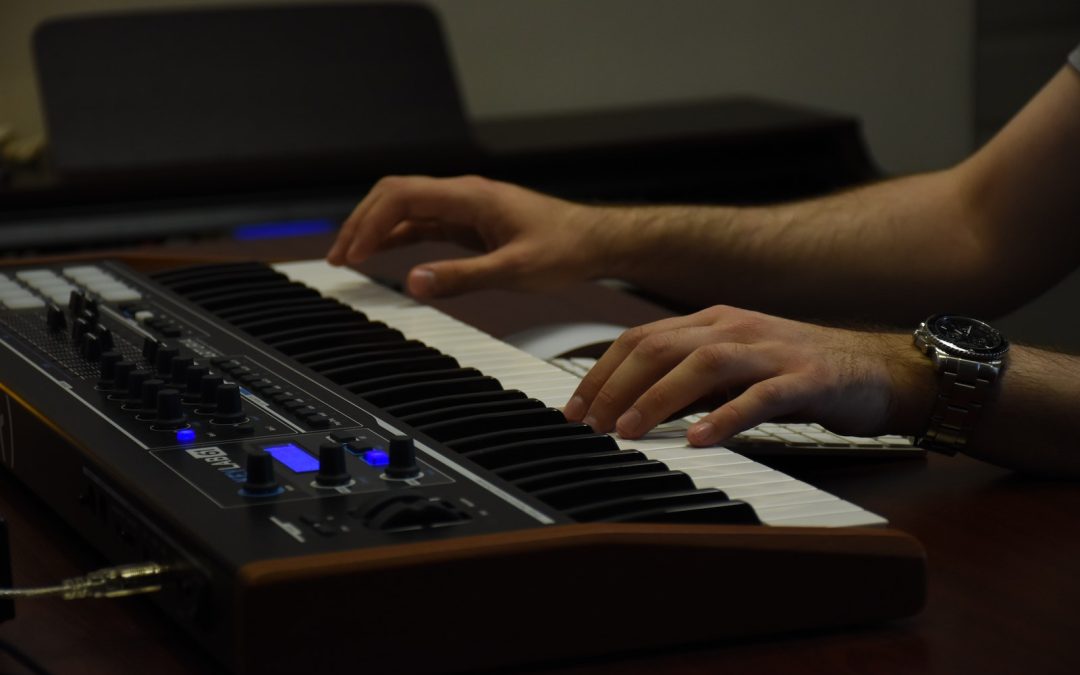
A song demo can be one of the most powerful tools in the songwriter’s arsenal.
Of course, a song demo can also be an enormous waste of money!
Knowing what a demo is and when it is best to invest in one will save you time, money, and frustration.
In this blog post, we’re going to define what a demo is, help you understand whether or not you need one, and what you should be looking for if you decide that you do.
A song demo is a professionally recorded track that, if done properly, will bring your vision for the song to life so that interested parties hear what you intended for it to sound like.
When it comes to demos, there are a few different schools of thought.
One says that you don’t really need a demo at all. After all, most artists will want to make your song their own anyway, so why would they want to hear someone else’s idea of what it sounds like?
This thinking makes sense — however, it’s not practical unless you are already a well-connected songwriter.
If you have close friends in the industry, have built trust and a reputation already, or for some other reason don’t need to “break into” the market, then perhaps you don’t need a demo.
If you’re in any other situation, you should strongly consider it.
Another school of thought says your demo should be free from interpretation and focus on highlighting the lyrics. This, too, makes logical sense and some of our clients request this specifically.
There are drawbacks to this, though. Even though a clean, simple demo is better than having no demo at all, without an established reputation, it might still be hard to get people excited about your song if the demo is “all business” and free from color.
When I say that, keep in mind I intend no offense to your abilities as a songwriter. The fact is, you are a songwriter. There are professionals whose primary skill is to take what you have done and produce it into something magical.
That’s where the final school of thought comes in — that your demo should be well-produced and precision-crafted to sound like a full studio cut. In full disclosure, this is our view and the way we prefer to work with clients.
Why? For a few reasons:
The simple reality is that a high-quality demo cut — one that sounds like something you’d hear on the radio — is the best opportunity songwriters have to get noticed and establish a reputation for themselves.
You probably know the answer to this question already (at least you might have a gut feeling about it), but let me give you a few simple guidelines to go by.
First of all, you probably know whether or not you have the musical and technical ability to record a demo track at the level of quality we’ve discussed so far.
If you don’t, then no, you should not record your own song demo. You will be amazed at what a professional demo could do for your song(s).
Let’s say that you do have the musical and technical ability to record your own demo.
In this case, you absolutely could. However, there are a couple of reasons you might not want to do this.
First, you know as well as I do that an outside perspective/interpretation could be helpful. I learn new things every day by being humble enough to let others inform my thinking.
In music, even a very slight change can take a song from mediocre to incredible. You are likely “too close” to the song to make that decision, and having another set of ears on the production might make a big difference.
Another consideration is the people you work with. For example, by the very nature of our work and our business, there are respected industry professionals who will listen to demos we’ve cut just because we’ve cut them.
That is not something we say to gloat, but it is also something we do not take likely. We’re not the only ones in that position, either.
The point is — even if you’ve got the skills, it may still be a wise decision to allow someone else to record your demo. We recommend you send us a worktape and we can evaluate the song from there to see what it needs.
If you’ve reached this part in the article, then perhaps you are considering working with a company like BuyDemoTracks.com to record a professional demo for you.
That’s great! But to be honest, what we want for you is simply to make the most informed decision. Yes, of course, we’re a little biased and we’re proud of the work we do.
But regardless of whether you ultimately choose to work with us, here are some things you should demand and expect from any quality demo studio.
The cardinal sin of most client services businesses is a lack of communication. We don’t always get it right, and sometimes we have a backlog of projects that puts us a few weeks behind.
What you should expect, though, is clear communication on timelines. You should never have to wonder about the status of your demo. You should always be able to reach out and get an answer from us within 48 business hours.
We know that a lack of communication is confusing and frustrating for you, so we put processes in place to minimize that as much as possible.
There is no doubt you can get a great song demo cut by thousands of studios across the world. But “great” is something altogether different than exceptional.
Exceptional requires attention to detail and a production value that is almost unbelievable, especially for the financial investment. Our goal is to provide the very best outcome in a demo for you as possible.
One way we achieve this is by radical attention to even the smallest details. Yes, we are perfectionists, but we’re not “recovering” perfectionists. We think this is the way it should be in order for your goals to be met.
Speaking of your goals — a great demo production studio will be “you-focused.” Now I want to make a careful distinction: This does not mean your producers and musicians should be “yes men” who go along with whatever you say.
If that is what you are looking for, you’ve probably not made it this far in the article, because we think that songwriters should write songs and producers should produce songs.
A focus on your best interests will make sure the song has what it needs, you are a satisfied customer, and your expectations are in line with reality. That brings us to the next item:
Sadly, the music business writ large is full of snake oil salesmen. Not only do they not have your best interests at heart, they only have their own interests at heart.
This is most evident when you find someone selling you on hopes and dreams. We think studios should invite you to work with them on the basis of what they can do for your songs.
We can’t promise song cuts. Or even song pitches! What we can do is take a good song and make a fantastic demo, that makes the combination into something exceptional that is worthy of airtime.
However, just because you should work with a studio that promotes and discusses realistic expectations does not mean you should work with a studio that has no interest in your success as a writer.
We have a vested interest in giving you the tools, resources, and connections to be a successful songwriter. That is why we offer tools like our Song Library and services like our Songwriter Singles.
These services are admittedly unique to BuyDemoTracks.com, but we think they are a huge part of working with a studio that not only wants to see you be successful but is doing something to help make it happen for you.
It’s impossible to give numbers, but the simple answer to the question is, YES! It definitely increases your chances.
Again — by how much is anyone’s guess. But considering that your chances are virtually zero without one (again, realistic expectations), we think planning a song demo for any song you’d like to see do well is a very good idea.
That said — we would like to challenge the idea that the goal is to get a professional cut, if by “professional” we mean an A-list (or even B-plus-list) artist cutting the song.
We’re big fans of doing what we can control. Believe it or not, there is a lot that is within your control. Sure, it takes time and money, but don’t most things?
It all starts with an exceptional demo.
Once you have that, the sky is the limit. We could upload it to Spotify, Apple Music, YouTube Music, etc., promote it on the radio, have a professional musician sing on the track for a fee, etc.
Contact us today to learn more about some of the innovative ways we’re helping songwriters get their music out there.
The answer to this question depends on what your goals are.
But in truth, even if your goals are so modest as a desire to hear an amazing interpretation of your song, yes — we think investing in a song demo is worth it.
As we have high demand and limited capacity, the best way to work with us is to sign up for our Songfuel program, which gets you 50% off every demo you record with us (and a whole lot more).
We’d love to help take your idea and make it into an exceptional song.
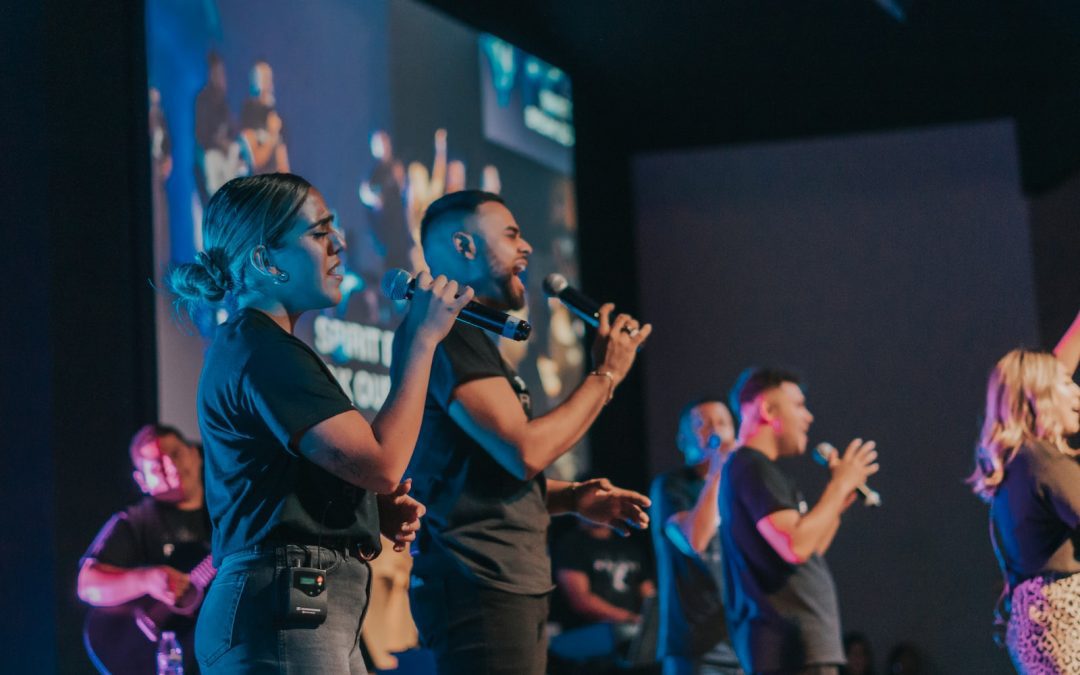
While it’s always possible to get lost in the details of any new project, sometimes, the details truly matter.
And believe it or not, whether a male or female records the vocals on your demo could have longterm implications for your song.
Your demo is just as much about the perception of artists as it is the practicality of things of tempo, key, etc.
A performer visualizes themselves being successful with your song. And if you think about it, this is quite like everyday experience as well.
Commercials and advertisements will usually feature members of the product’s target audience. This is to create the feeling of, “If it works for them, it will work for me too!”
Ideally, you will have a vocalist on your demo that helps create that perception in your target audience’s mind.
With that in mind, here are some things to think about.
As you probably know, certain keys will bode better for a male or female led song. And of course, this consideration is downstream from other factors.
So the first question to ask is: Who do you, the songwriter, envision singing this song? Is it a male or a female?
You’ll pick a key accordingly, and that will determine whether a male or female should sing it.
If you want to change your song to a male-led song, you should try about a 5 step differential as a starting point.
Maybe you’re having trouble deciding whether you’d like a male or female to sing it.
One of the first considerations is how the lyrics are written. There are some obvious things, of course, like if the song is written from the perspective of a wife, mother, father, son, etc.
But there are some less obvious things as well.
Songs with themes around love, care, and nurture might be better suited for a female lead, while songs about instruction, life lessons, and leadership might be better suited for male lead.
There will always be exceptions to these, but it’s a good starting point if you’re undecided.
Let’s say you have written a song in the genre of Southern Gospel, and you have a large quartet in mind for the song.
Given the kind of music they are looking for, as well as the producers and managers they are working with, it’s probably not a great idea for a female to lead the demo.
Like I mentioned a moment ago, that perception and visualization is everything when it comes to actually pitching the song.
This is important because, while we do not necessarily pitch songs at BuyDemoTracks.com, we do list them and (in some cases) actively market them to people looking for new songs.
You should make the assumption that your song has a chance of getting in front of the right person, and make sure the demo has the right vocal for the job.
If you have a specific sound in mind, you might be surprised to know that it is possible to have even well-known performing artists record your vocal demo!
Don’t believe me?
We work with quite a few of them here on BuyDemoTracks.com.
This has the additional benefit of helping potential recording artists know whether the song is for them or not.
If an artist has a particular liking for the vocalist you’ve chosen, that may help push them over the edge in choosing your song!
You might be tempted to think that I’m making a big deal out of something that does not really matter. But I can assure you, selecting the right vocalist to help you sell your song is a very big deal.
Choose wisely, but at the same time, don’t stress. Your producers can help you make a good decision and find a strong singer to help sell the demo.
At the end of the day, the “right” choice is always a clean, professional singer who is concerned with quality and wants the best for the song.
When you find that, you’re already ahead of the pack.
One of the very first things we need to get started when working on a custom demo for you is a worktape.
Don’t know what that is, how to get or make one, or what it should be like? No worries, we’re going to answer all of those questions right here.
As I defined it in this post:
Simply put, a worktape is a “rough” recording which will usually feature you, the writer, singing and/or playing your song.
Another way to think of a worktape is a “low fidelity” version of your song. It is how you communicate the vision for the song, the lyrical pacing and structure, and gives your producers and musicians an idea of what you want the song to be like.
Two important notes:
This means any songwriter is capable of producing a quality worktape that will result in a quality final recording.
Considering the above, let’s take a listen to an example of a track that we received as a worktape and produced into a final custom demo.
Savior of the World Worktape
Savior of the World Track
Notice that an entire track was born from nothing more than a recording of a person singing the song a capella.
The point is, the singing is clear, you can understand the lyrics, and the producers and musicians have a direction to take the song.
If you’re the kind of person who likes to leave little to question or chance, I’ve got you covered.
Here’s an exact process you can follow to make sure you provide us with a quality worktape.
Remember, you do not need a sophisticated microphone setup in order to provide what is needed for a worktape!
Most of our customers provide a worktape recorded one of three ways:
Now, on to the recording.
Ok, you’re in front of the recorder and it’s time to press the red button.
At this point, you’ve got your lyrics in front of you and you’re ready with your voice and/or instruments.
The most important thing is to make sure you are not too close or too far away from the microphone.
Too close, and the sound will be distorted and very difficult to understand. Too far, and it will be hard to hear what you’re saying and what chords are being played.
Between one and two feet away should be just right for most microphones.
Once you have finished recording, you will need to export the file and send it to us.
How you export the recording will vary depending on what you are using to record.
The simplest way to do this is record using the Voice Memos app on an iPhone (or similar app on Android) and simply “share” the recording directly to email.
Just email the representative you are working with and you’re off to the races!
If using a standalone voice recorder, this tutorial should be helpful, but consult the user’s manual for more specific instructions.
Here’s how to export audio using GarageBand, and here’s how to do it using Audacity.
Sending us a great quality worktape does not have to be hard or confusing.
Simply follow the steps above and work with your representative, and you will be sure to receive a quality end product.
Want to learn more about recording a custom demo with us? Click here for some more information.
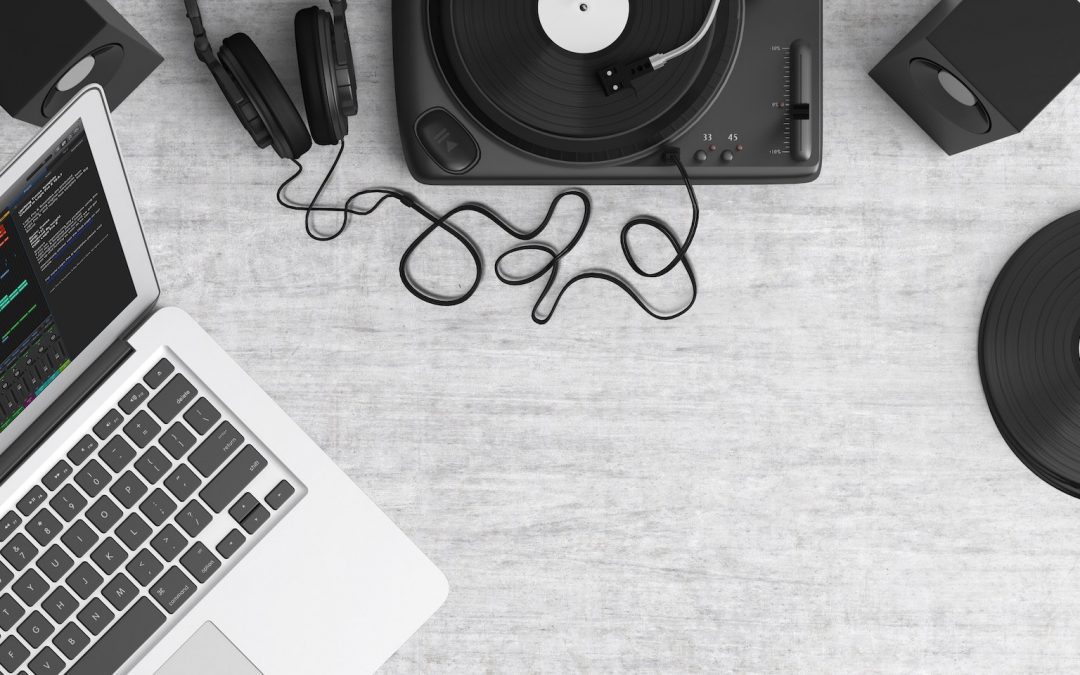
When you’ve written your song and need to get a demo created, you’ll want to make sure you’re prepared and have everything needed for the studio to do a good job.
While every studio has different processes, there are some things you’ll need across the board to make sure you get a quality product.
In this post, we’ll cover those items to set you up for success from the get-go.
Okay, okay…I know what you’re thinking. Too corny, Steve.
You might think so, but hear me out. Studio musicians and producers like ours see new music every single day.
And, we work with lots of different artists and writers. Trust me when I tell you, your attitude going into this process makes a huge difference.
In fact, I would go so far as to say that your attitude may even play a huge part in your success as a songwriter, period!
Rick Lang, one of our staff writers and the Chairperson of the IMBA songwriting committee had the following to say:
Through hard work, perseverance, and believing in my untapped potential I proceeded to start up my own lumber company (that just celebrated its 30th anniversary and won a business of the year award), became an innovator in the Forest Products industry, and am now an award winning songwriter, as well as a mentor to others. Having a positive attitude was the key element to these accomplishments.
Going into this process with a positive attitude about the outcome, an undying belief in yourself as a writer, and trust in your producer to make a quality end product will make a surprising difference.
Simply put, a worktape is a “rough” recording which will usually feature you, the writer, singing and playing your song.
You can use a portable recorder for this, the memos app on your phone, etc.
Now of course, nobody expects this to be studio quality. After all, that’s why you’re having a demo made! At the same time, this should not be so rough that it is difficult to hear where you want the song to go at any particular point.
Put your best foot forward here, and your producers and musicians will not only be grateful, but will be able to produce a better product.
BuyDemoTracks.com has a commitment to quality that is unparalleled. This is important because we want the song itself to be successful.
When the song itself is successful, everybody wins. Your song gets traction, artists create higher quality music, and companies like ours have an easier time connecting writers and artists together.
When you use BDT Studios for your custom demo, we do not necessarily accept your song as-is.
Many of our producers and musicians are accomplished songwriters themselves, and will offer suggestions and rearrangement where needed.
In some situations, we may even be able to pair you with a co-writer or get you into a songwriting workshop. Contact us if you would like more details about that.
Also, you can visit our songwriting resources page to learn more tips about writing for success.
All of that to say, if you can bring quality songwriting to the table from the get-go, it will make the process smoother, easier, and ultimately more successful.
In case you didn’t know, studio musicians use a system called Nashville Numbers to record music (and even perform live).
This is certainly not necessary for you to make available, as it’s a perfectly normal part of the process for the musicians to create this from your worktape.
However, if you’re skilled in the number system already, it would be great if you could provide this before the day your demo is recorded.
Maybe you don’t know the number system, but would be able to provide the chord chart for your song. That would be welcome as well!
Either one could help the musicians get a better sense of your vision for the song.
Speaking of vision…
The vast majority of writers provide lyrics and the worktape and leave the rest of the creativity to the producers and musicians.
While this is okay, at the end of the day, there’s no such thing as too much detail!
If you can help us understand exactly what feeling you want the song to create in others (isn’t that the point of music?), it will go a long way towards making the reality of the end product match your expectations, which is always a win.
We’d love to help you create a winning demo to get in front of artists.
If you already have a professional demo created, great! You can visit this page to learn about our songwriter upload packs and get your song listed with BuyDemoTracks.com today.
As a reminder, when you decide to have BDT create your demo, it automatically includes uploading into our library used by hundreds of artists when looking for new music!
We’d be glad to answer any questions you have. Just email us and we’ll get the conversation started.
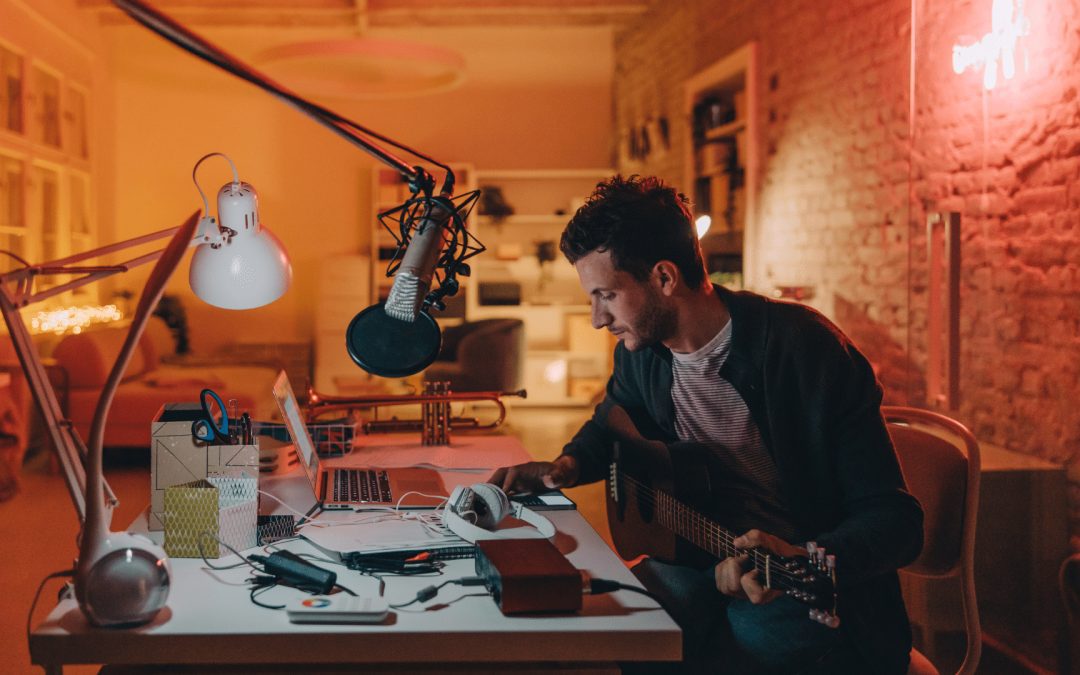
So, you’ve written a brand new song and are convinced you want to have a demo made.
You might be wondering how much it will actually cost to do that! And fair enough, because as you begin to explore this question, you will find that it depends on a lot of factors.
It’s like asking, “How much is a car?”
The answer to that question varies a lot depending on the make and model, style, where you bought it, the current state of the economy, etc.
To help you make the decision, we’ve put together this helpful guide. You’ll find out what factors go into making the decision and how to make the best investment possible.
Before diving into the different pricing factors to be aware of, there is an important point you should think about. Most songwriters don’t do what they do because they’re good at it or because it’s “their job.”
Most successful songwriters are genuinely passionate about every song they write—and they should be.
If you want the very best expression of your song to come through in your demo, it would be our opinion not to base your decision on price alone.
I realize that may sound self-serving since we offer demo production services, but this is a significant point whether you choose BuyDemoTracks.com or not.
Don’t settle for second best. If you decide to use us or another studio, do it because you feel they will provide the best result. Don’t choose them because they are the cheapest option or even the most expensive option (just because a studio charges a lot does not mean they are worth it).
You should evaluate the quality of their work and then make the best decision.
How well-known or reputable the studio will be a huge determining factor in how much your demo costs.
Much like cliché’s, a studio’s reputation becomes what it is for a reason: they produce results.
And if they have a history of producing great results, they have every right to charge well for the services they provide.
Great demo production does not happen accidentally. It takes the gathering and management of a lot of creative talent, and that gets expensive quickly.
In 2022, there are more “basement studios” than ever before. And to be honest, many of those basement studios produce a level of quality far beyond that which you could achieve in a state-of-the-art recording studio years ago.
Even so, a larger studio may have the resources to keep better equipment and personnel on hand. And if they do that, they will have higher expenses, and will need to charge more for their services.
If you approach a recording studio to cover your demo, you should be prepared to pay more than if you hired your buddy’s cousin who used to play in a band 10 years ago.
A related consideration is the quality of the production itself. This should probably be the deciding factor for most songwriters.
At the end of the day, it doesn’t matter how big or small the studio, no matter whose name is associated with it, and regardless of who has or has not heard of them. If the studio you choose is putting out high-quality work you’d be proud to have represented in your song, you are making a great choice!
Make sure to ask any studio you approach for samples of their work. They will be happy to provide them, and it will help you make the most informed decision.
What vocalists or musicians come with the demo recording, and what additional performers are available?
You will need to consider these questions when it comes to the cost of your demo project. If you’ll have to hire individual musicians, vocalists, engineers, producers, and studio time, those costs will tend to add up pretty quickly.
At BuyDemoTracks.com, each demo comes with in-house musicians, playing the following instruments:
Acoustic guitar • Electric guitar • Electric bass • Upright bass • Piano • Steel guitar • Dobro • Banjo • Mandolin • Fiddle • Drums • Organ
Plus, we give you the option of adding our Marketplace musicians and vocalists as well!
Some studios will want to go above and beyond by providing additional services and benefits free of charge.
Examples of this might include song pitching services, album artwork creation, radio exposure with partner stations, etc.
At BuyDemoTracks.com, each demo package comes with automatic addition to our library (a $197 value) where performers of all types come to find new music to record. You can even earn money when people download your demo!
Ok, let’s talk some actual numbers. As you might guess, pricing is all over the map.
Studios or multi-instrumentalists looking to make a name for themselves or just getting started will be on the cheaper end of the spectrum, likely charging between $100-$250 per song.
They may ask for additional funds if you would like to hire a particular musician or vocalist, if you want the ability to have performance stems of your demo, etc. They are also less likely to include any additional services.
Studios in areas well-known for music (such as Nashville), having a longstanding reputation, access to well-known performers, or providing additional benefits and services will be in the $1,500+ range per song.
Studios landing in the middle will be around $500-$1000, and may include some combination of additional benefits and services as well.
By now, it is clear there are several factors that will determine how much your demo costs.
At the end of the day, it’s important to remember that cost itself is probably the least important factor when it comes to the quality of your production.
If you find a studio and are pleased with their quality of work, you should consider working with them to make sure you are putting your best foot forward.
After all, the better your demo sounds, the more likely it will be picked up by artists and performers!
